Addressing maternal health challenges requires more than research alone; it requires a new generation of scholars, advocates, and leaders prepared to translate evidence into action. For fellows in the Maternal Health Research Collaborative (MHRC) Mentoring Research Fellowship Program, it begins with hands-on research experience, professional mentorship, and opportunities to address critical issues affecting maternal and public health.
Open to undergraduate, master’s, and doctoral students from the 16 MHRC Research Centers, the fellowship offers more than research training; it provides emerging scholars with an opportunity to explore how research can address real-world maternal and public health challenges. Through an 8-week summer mentoring partnership with the Kennedy Krieger Institute, fellows engage in hands-on learning experiences that strengthen their skills in quantitative and qualitative research methods, data analysis, abstract writing, poster development, and scientific presentation. By equipping students with the methodological tools to conduct meaningful research, the program prepares fellows to contribute to the field of maternal health and share their findings at professional conferences, including the American Public Health Association (APHA) and beyond. Since its launch in Spring 2024, the fellowship has supported 83 fellows over four cohorts from diverse academic backgrounds within the MHRC Research Center institutions.
2026 Cohort Meet-and-Greet
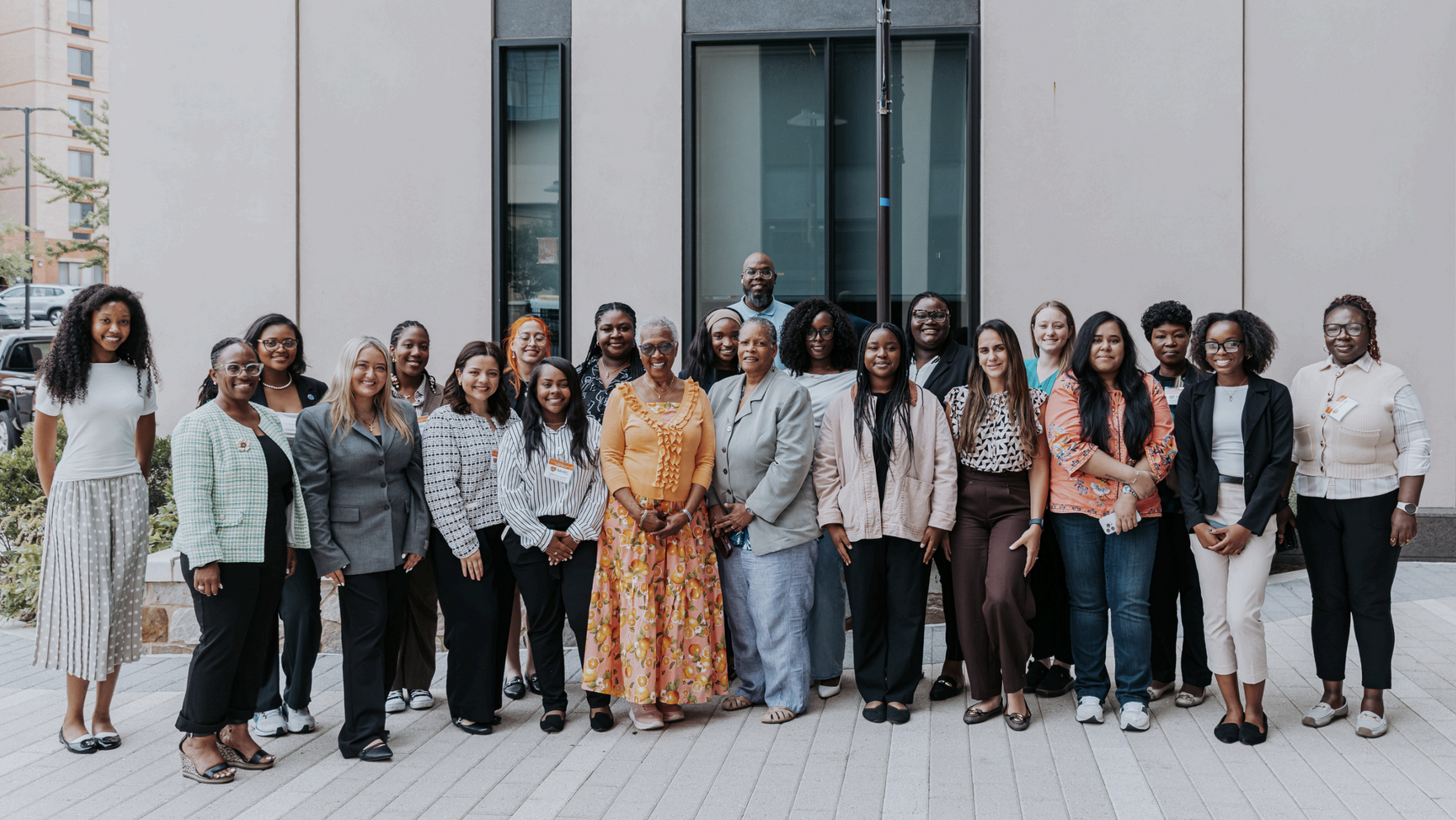
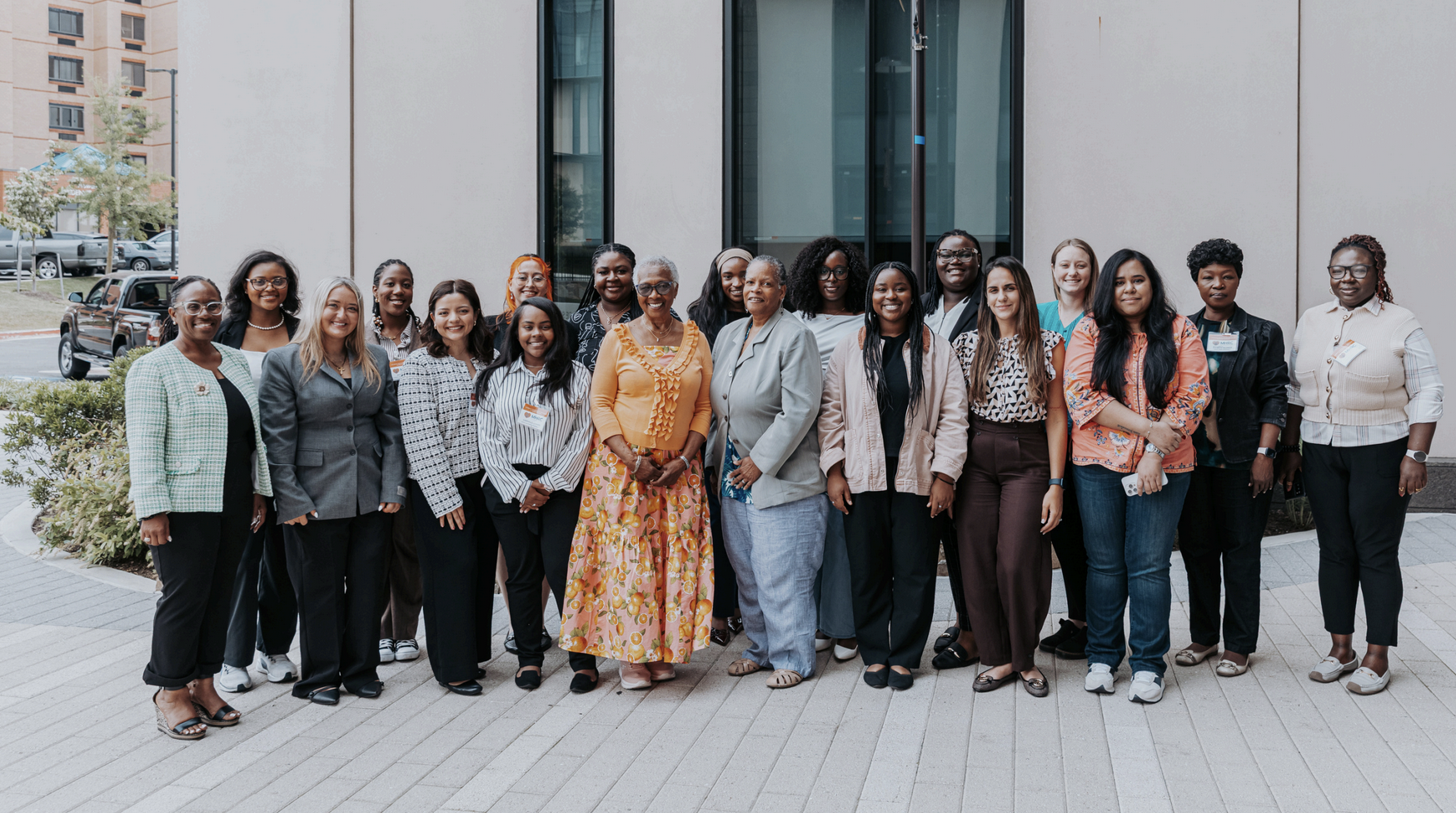
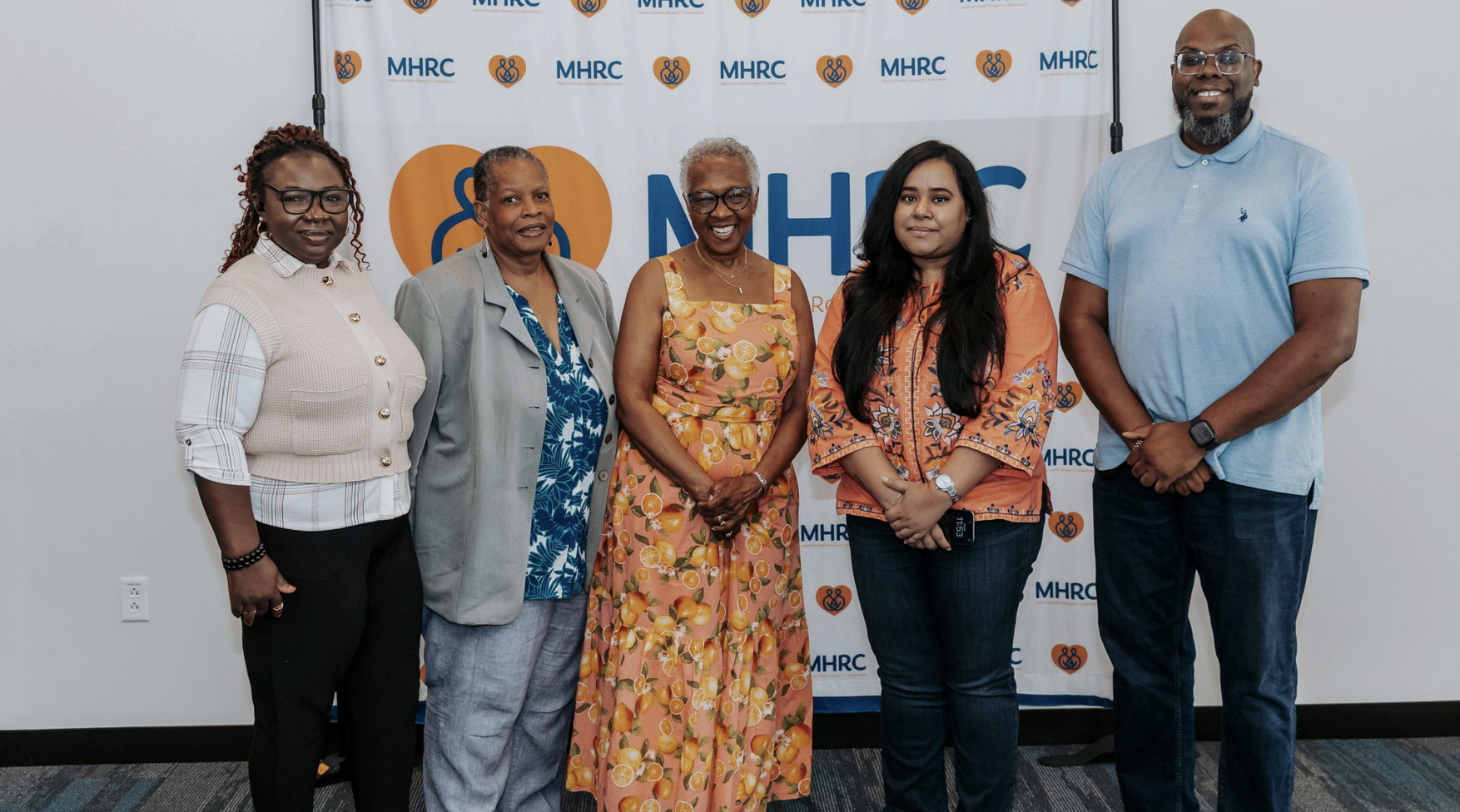
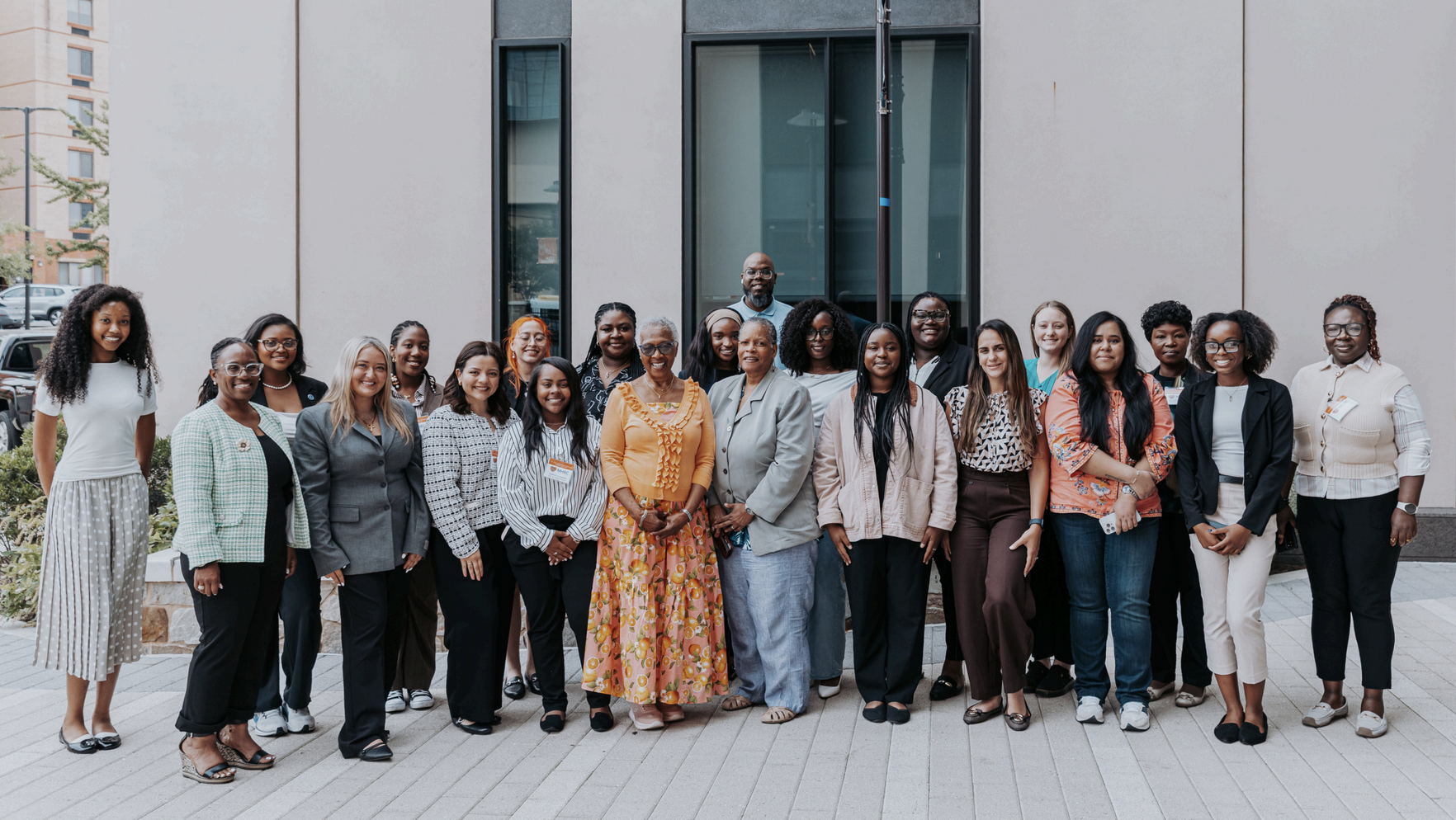
The cohort’s experience began with a Meet-and-Greet on May 31, 2026, at the Residence Inn at Johns Hopkins Medical Campus in Baltimore, Maryland, where 14 new fellows were welcomed by Dr. Yvonne Bronner (Principal Investigator, Maternal Health Research Coordinating Center (MHRCC)) and Dr. Joyce Y. Hall (Mentoring Manager, MHRCC) and introduced to program staff, mentors, and fellow participants. Through networking activities and interactive discussions, fellows shared their academic backgrounds, research interests, and summer goals while building connections with students from universities across the Collaborative.
The fellowship has become a space where students can transform classroom knowledge into meaningful research experiences. Fellows work alongside mentors, develop professional networks, and contribute to projects that address critical maternal health issues affecting communities across the country. As the program progresses, it remains committed to preparing future researchers, advocates, and leaders who are equipped to improve maternal health outcomes for generations to come.
Orientation Week: From Classroom to Practice
Following the Meet-and-Greet, fellows participated in the Kennedy Krieger Institute’s Center for Excellence in Public Health Leadership orientation course and training for R, a statistical software widely used in research. The week-long experience introduced participants to topics including the political determinants of health, public health transformation, health economics, communication with policymakers, and culturally and linguistically appropriate services. Through these sessions, fellows explored how policy, communication, and community engagement influence public health outcomes and learned strategies for addressing health disparities through research and advocacy.
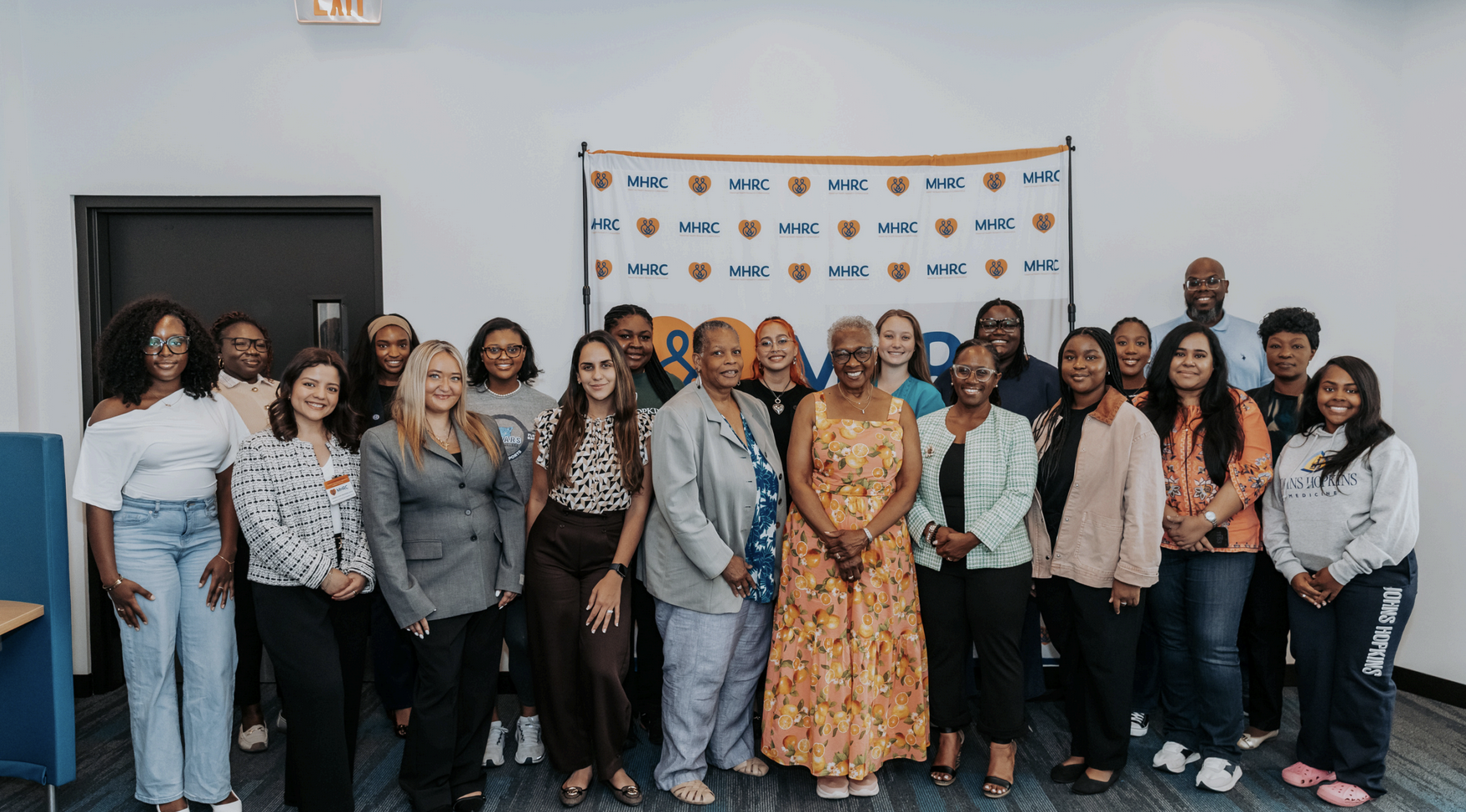
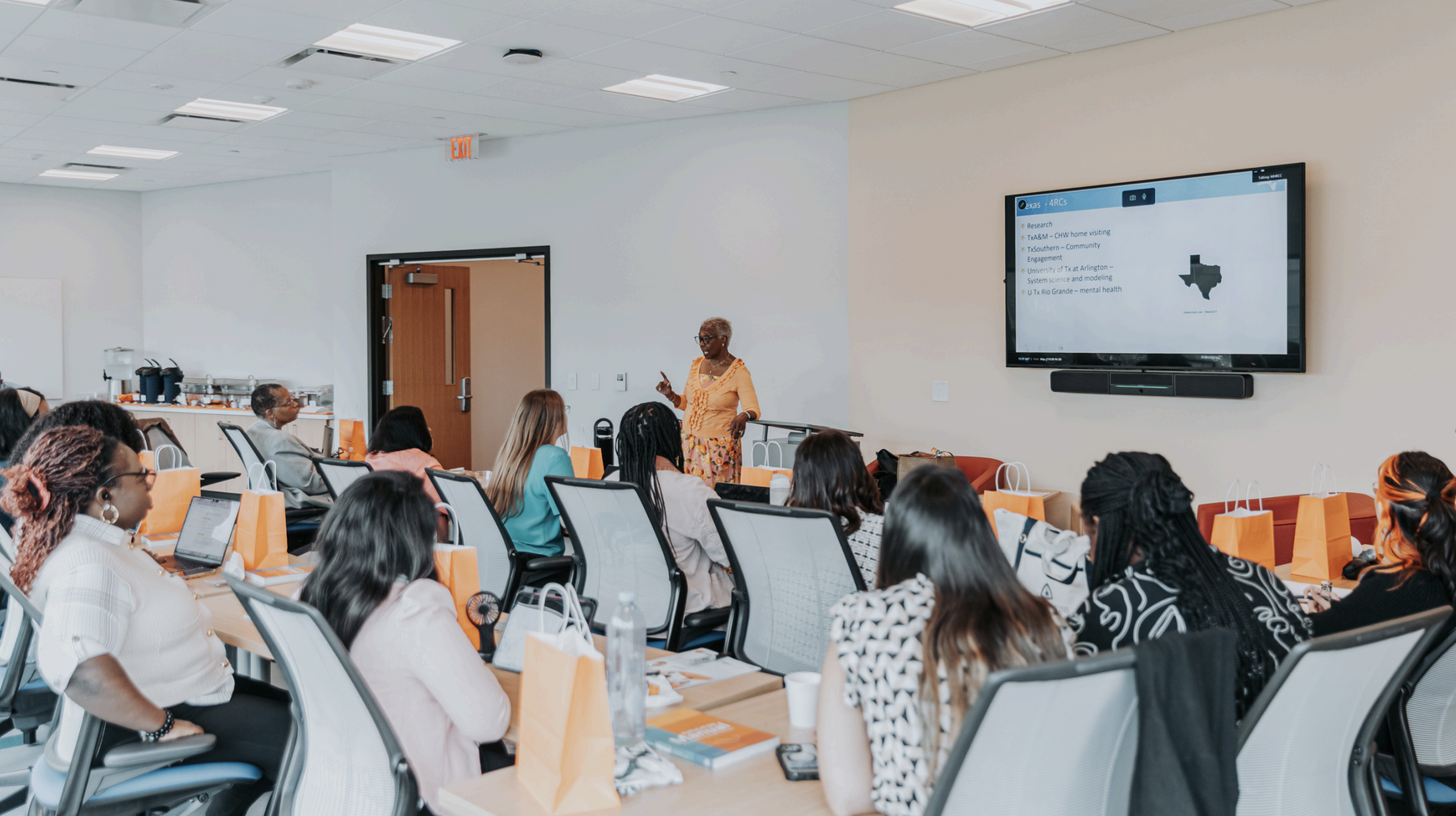
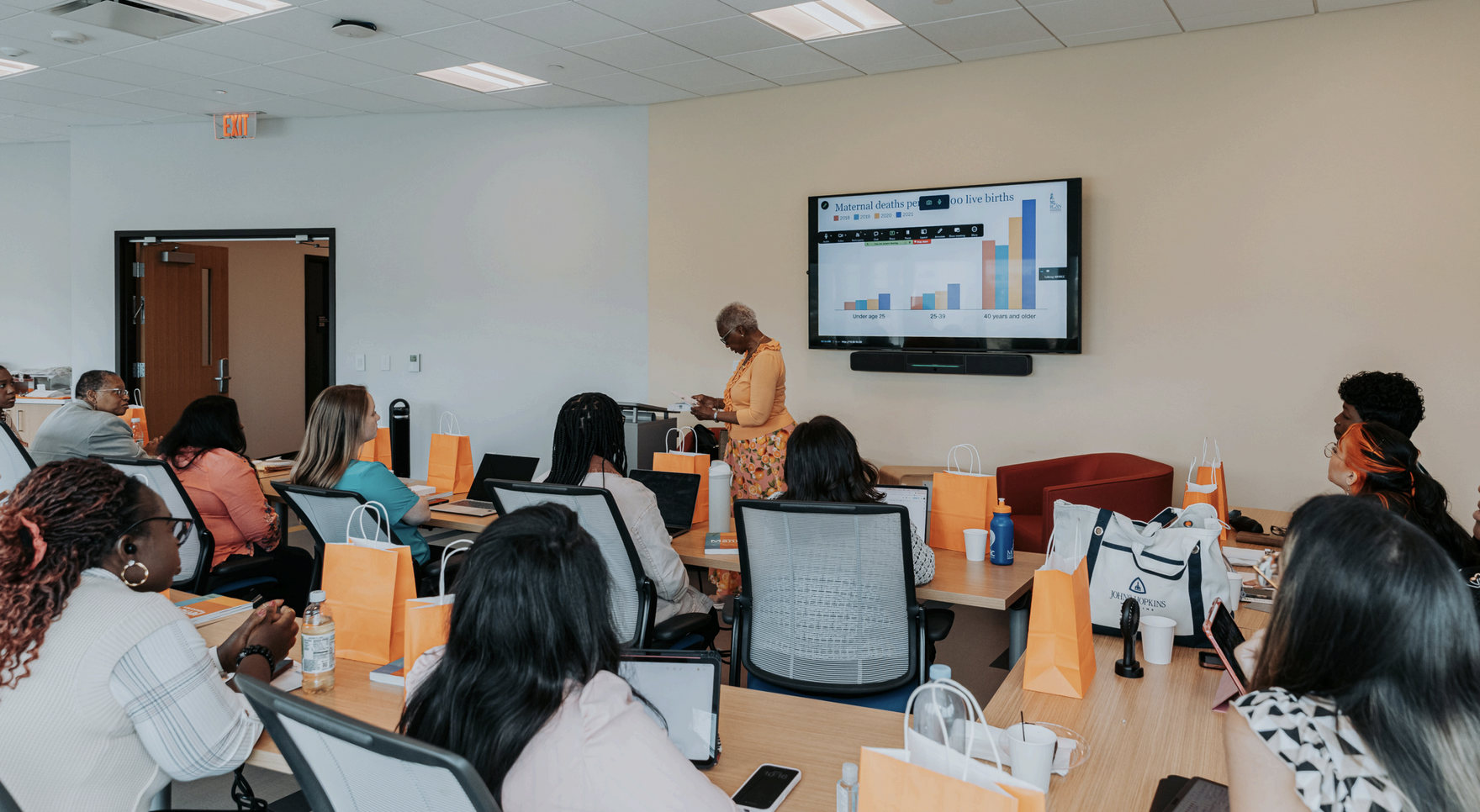
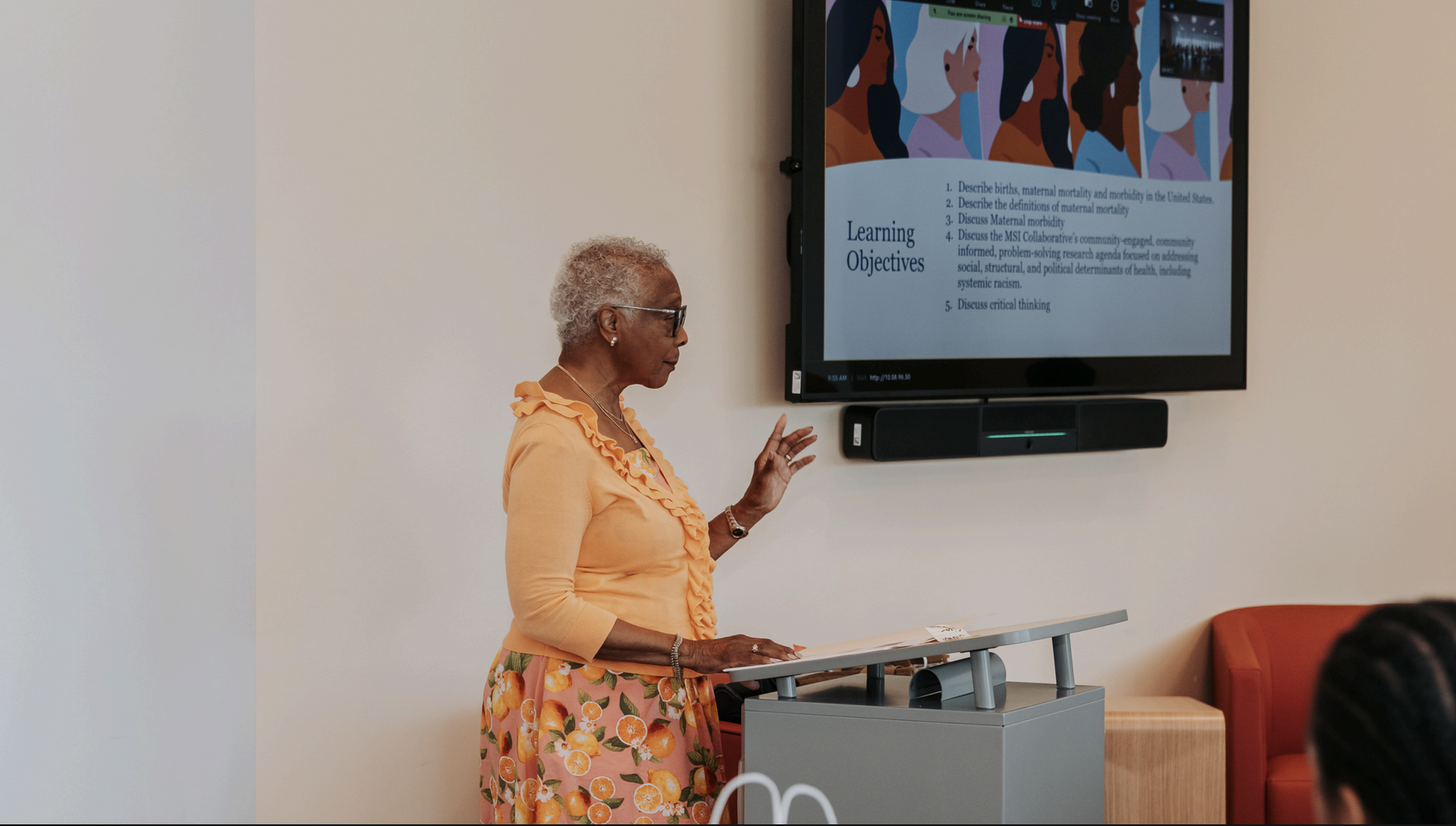
The orientation concluded on June 6, 2026, at Morgan State University’s Health and Human Services Center. Fellows reflected on lessons learned throughout the week before attending a presentation by Dr. Bronner on maternal mortality in the United States. Dr. Bronner discussed maternal mortality trends, the impact of mental health and adverse childhood experiences on maternal health outcomes, and the distinctions between pregnancy-associated, pregnancy-related, and maternal mortality. She also emphasized the importance of critical thinking, protecting human rights, and applying the eight intellectual standards: clarity, precision, relevance, depth, breadth, logic, significance, and fairness in maternal health research and practice.
A Foundation for the Summer Ahead
Together, the Meet-and-Greet, leadership course, and orientation sessions gave fellows the knowledge, connections, and confidence to begin their eight weeks in this program — a foundation that will carry them toward abstracts, posters, and conference presentations later this year.
Gallery