
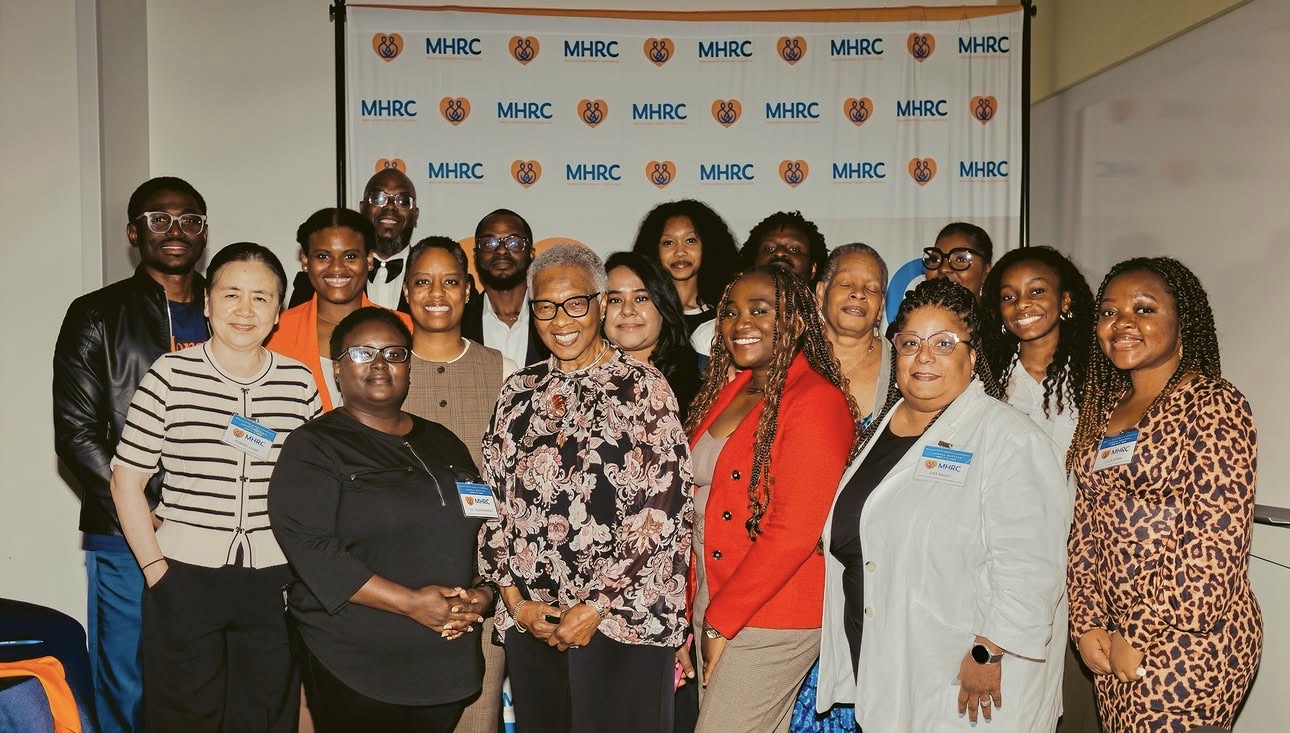
For four days at Morgan State University, every hallway, conference room, and poster board seemed connected by one larger conversation: How do we improve maternal health in real communities, not just in theory?
The 2026 Maternal Health Research Center (MHRC) Annual Meeting, held June 9–12 in Baltimore, Maryland, brought together representatives from 16 HRSA-funded Maternal Health Research Centers (RCs) and the Maternal Health Research Coordinating Center (MHRCC), along with community partners, researchers, healthcare professionals, and public health leaders from across the country. The theme, Building a Culture of Community-Engaged Maternal Health Research, was reflected in nearly every session throughout the week. The focus was not on talking about communities, but on working with them.
Day One: Setting the Tone
The meeting opened with a networking lunch designed to connect, exchange ideas, and build relationships. Dr. Yvonne Bronner (MHRCC Principal Investigator), Dr. Jessica Owens-Young (MHRCC Co-Investigator), and Dr. Kim Sydnor (Dean, School of Community Health and Policy) welcomed attendees, emphasizing a message that would carry through the week: research is most effective when it’s built with communities, not simply conducted about them.
That message set up the day’s keynote. Dr. Lawrence Brown of MSU’s Center for Urban Health Equity explored the power of art in public health through the naming and revitalization of disadvantaged sections of Baltimore. This demonstrated that lived experience provides context that numbers alone can’t capture. It was a fitting start, and a reminder that community-engaged research begins with listening and active partnership with the community.
The day closed with the MHRC Recognition Dinner, where the focus shifted from presentations to people. MHRC honored national and emerging leaders in maternal health with the Champion, Trailblazer, Pioneer, and Catalyst awards, while individual research centers recognized their own community partners and team members with the Bridge Builder, Internal Integrator, and Community Connector awards. Together, the two award tiers captured something the whole meeting was built around: big-picture leadership means little without the people doing the relationship-building on the ground.
Day Two: From Research to Real Communities
Day Two’s plenary tackled a question at the heart of community-engaged work: how does research actually reach the people it’s meant to help? Dr. Payam Sheikhattari (Professor, MSU) walked through implementation science and dissemination strategies — in plain terms, the methods researchers use to move findings from academic journals into clinics, homes, and community programs. He drew upon his work with the CEASE program in Baltimore and the MSU CARES Network to illustrate community-based participatory research and the partnership strategies. Several research centers followed with their own dissemination approaches, giving attendees a working menu of tactics rather than just theory.
The afternoon poster session put those ideas into practice. Research centers and their community partners showcased ongoing work, and the exchange ran both ways. Attendees asked questions and offered feedback drawn from their own community experience, turning the session into a working conversation rather than a formal showcase. A follow-up session built on that momentum, with centers and community partners sharing how storytelling functions as an implementation tool — not just a communication device, but a way to make findings land with the people they’re meant to serve.
Day Three: AI, Trust, and Sustainability
Day Three opened with a discussion of the role of artificial intelligence in community-engaged research. John Richards and Dr. Keisha Watson, from the National Center for Education in Maternal Health at Georgetown University, framed AI as a tool with real potential for research. They stressed the need for researchers to use strategic prompting and active human oversight to address bias, protect privacy, and maintain communities’ trust along the way. The takeaway was less about the technology itself and more about the guardrails needed to use it responsibly in this field.
A second poster session followed, then a discussion on building sustainable partnerships between academia and community organizations. The message echoed the week’s throughline: lasting change depends not just on good ideas, but on continued collaboration and follow-through after the funding and the conference end.
Day Four: Looking Ahead
On the final day, research centers shared updates on their strategic action plans and how they intend to sustain community partnerships beyond individual funding cycles. Each center’s approach looked different, but the underlying goal was consistent across all 16: making maternal health research more useful, accessible, and grounded in the communities it serves.
By the close of the meeting, what stood out was the willingness of people across disciplines and institutions to keep showing up for one another. That spirit of collaboration, more than any finding or session, was the defining takeaway of the week.
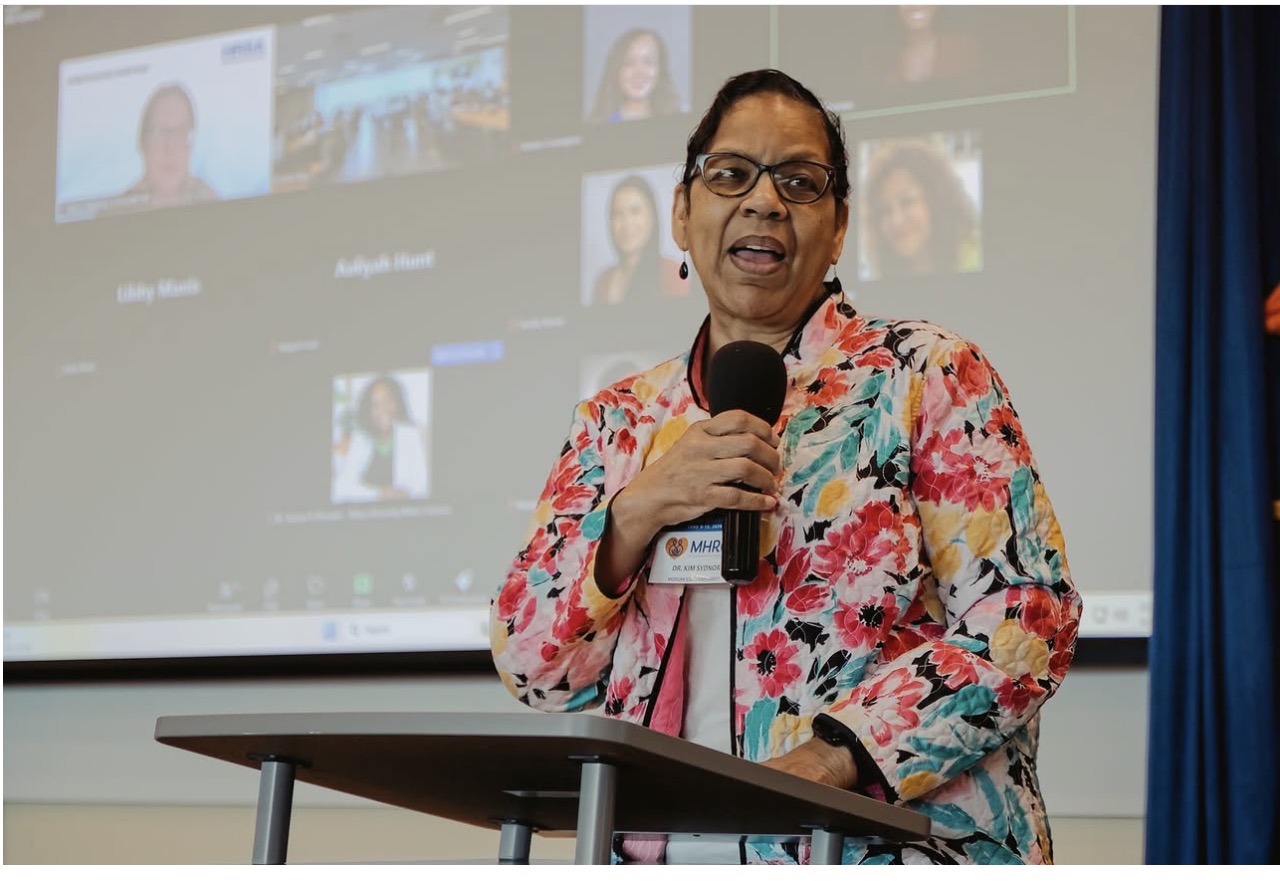
Dr. Kim Dobson Sydnor, PhD, Dean of the Morgan State University School of Community & Health Policy, gives greetings at the MHRC Annual Meeting June 09, 2026.
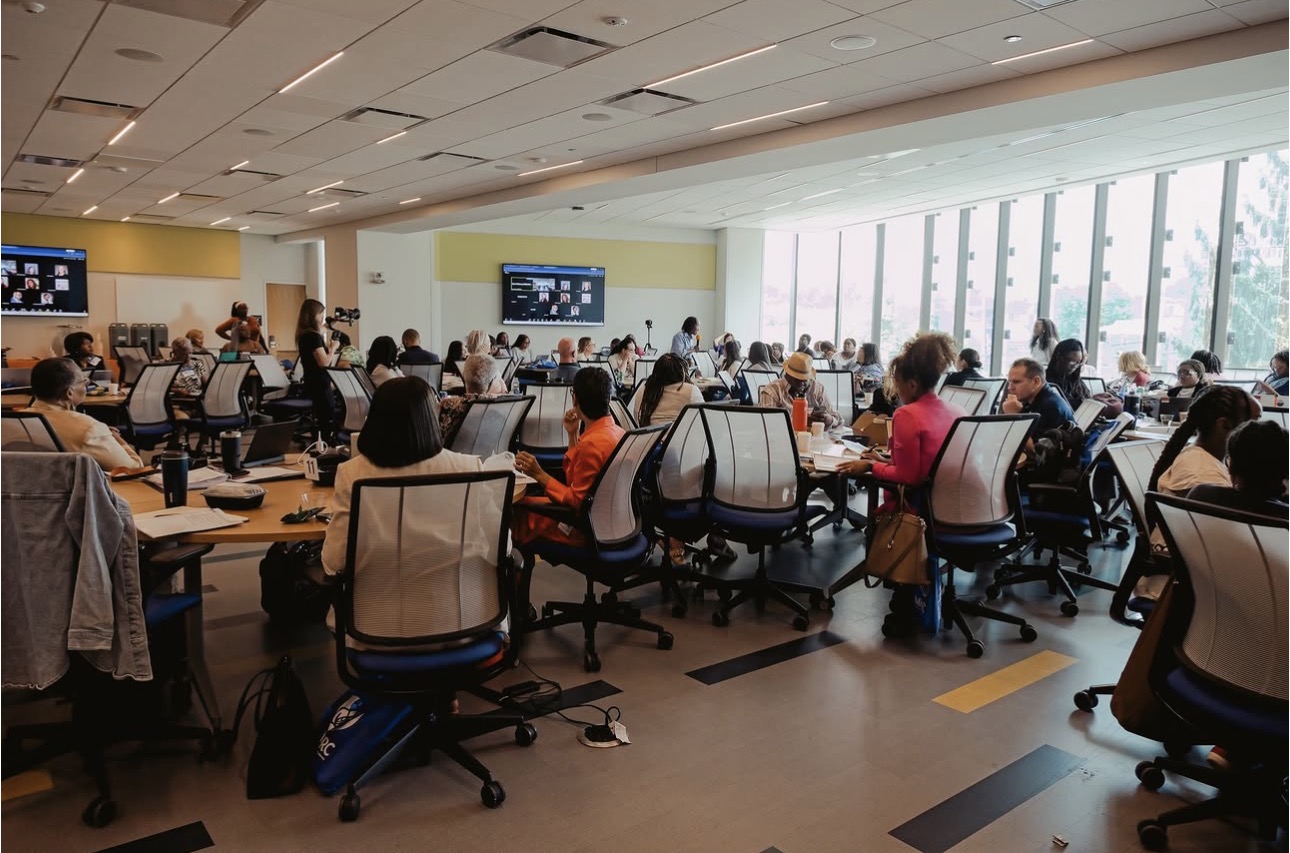
Over 100 attendees participated in the MHRC Annual Meeting June 9-12, 2026 hosted at Morgan State University.
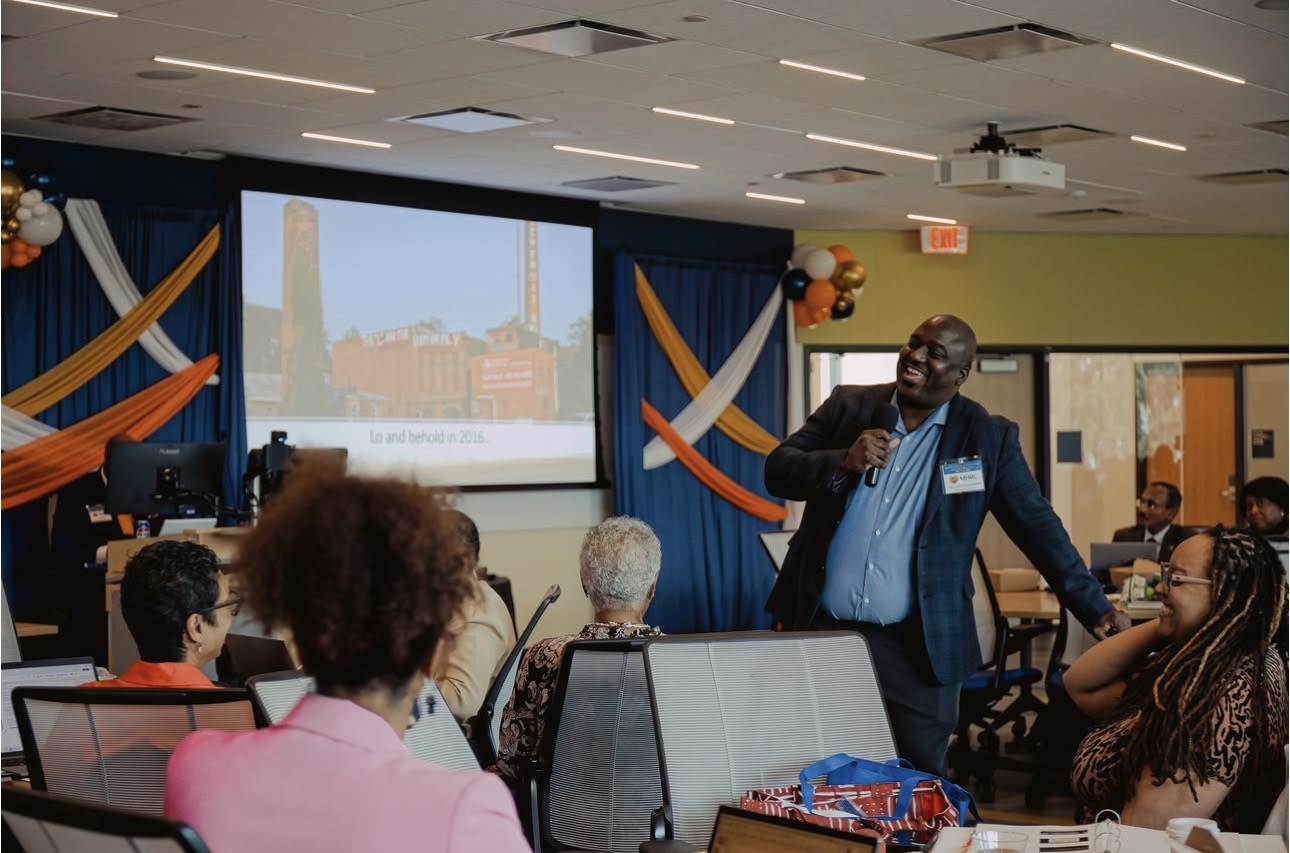
Professor Lawrence Brown, PhD from the Morgan State University Center for Urban Health Equity gives keynote presentation during the MHRC Annual Meeting June 09, 2026
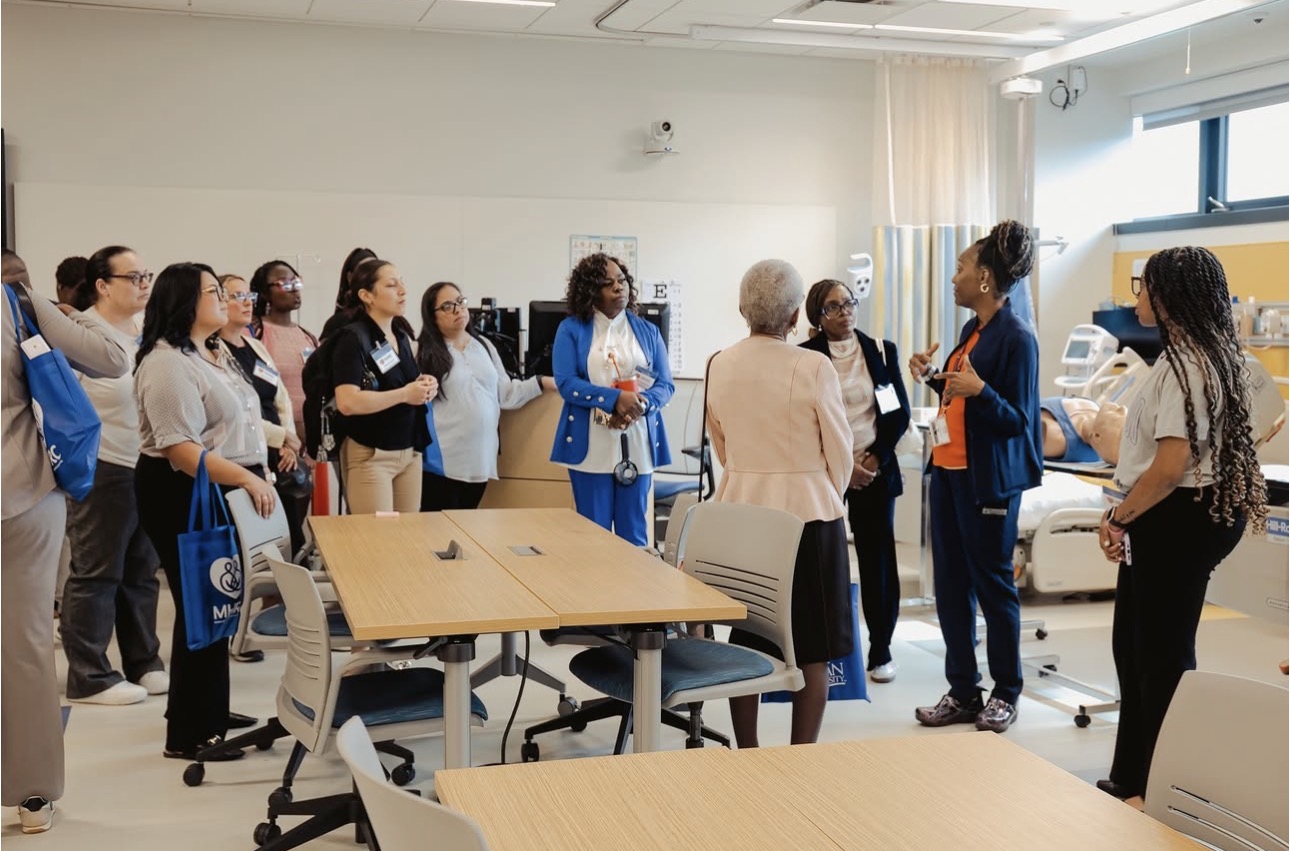
Attendees take tour of the state- of-the art nursing School training facilities at the Morgan State University Health & Human Services building during the MHRC Annual Meeting June 09, 2026
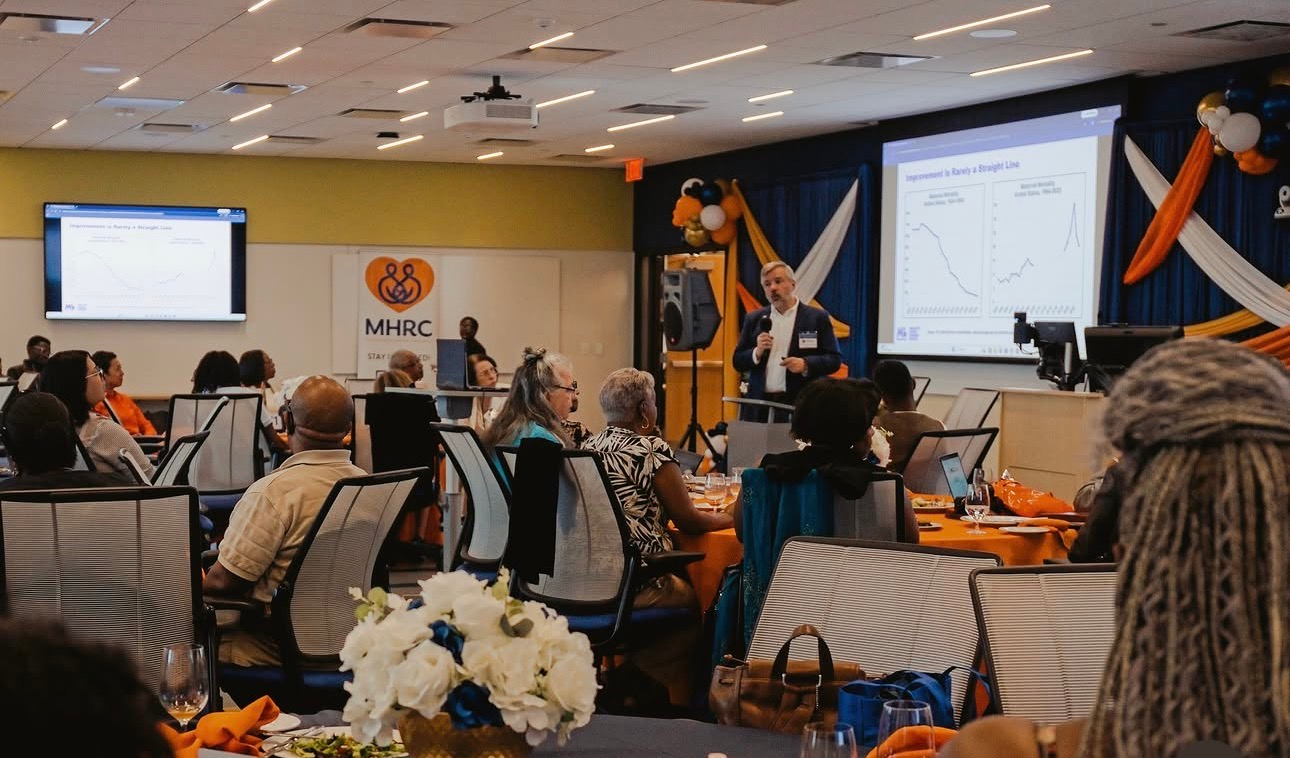
Dr. Michael Warren, MD, MPH, FAAP, Chief Medical & Health Officer of the March Dimes National Office gives keynote speech during the MHRC Annual Meeting Awards Reception June 09, 2026
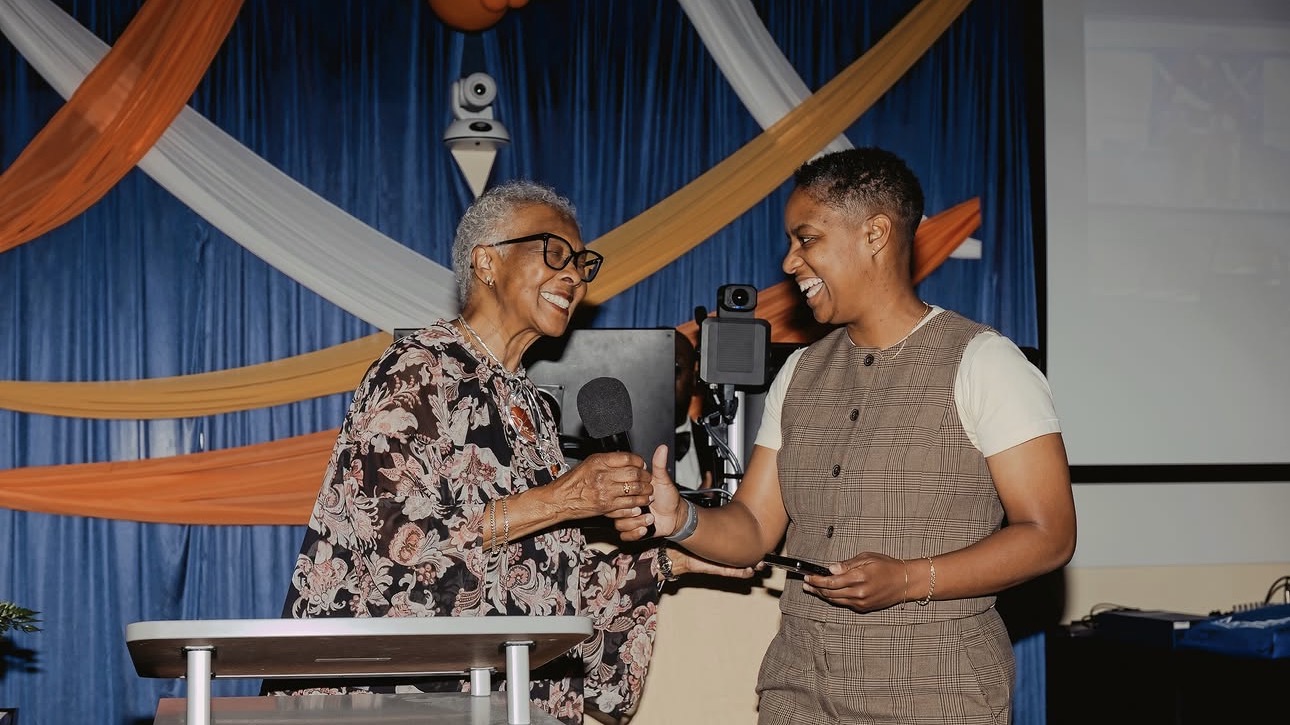
Passing the Baton. Outgoing MHRC Principal Investigator, Dr. Yvonne Bronner greets incoming new Principal Investigator, Dr. Jessica Owens-Young during the MHRC Annual Meeting June 09, 2026.
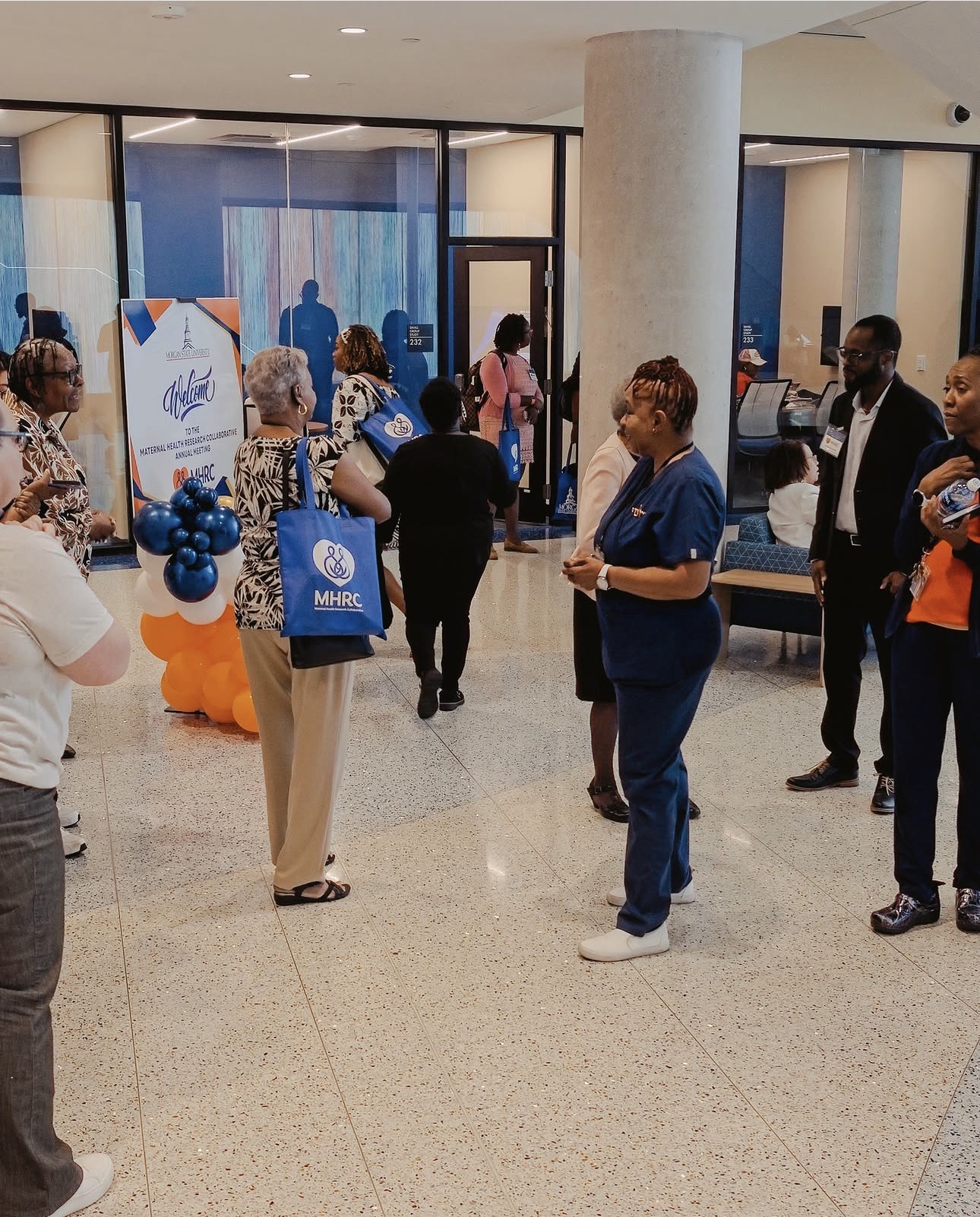
Walter Page, Director of Maternal Child Initiatives for the Texas A & M University Research Center, speaks during a presentation at the MHRC Annual Meeting June 11, 2026.
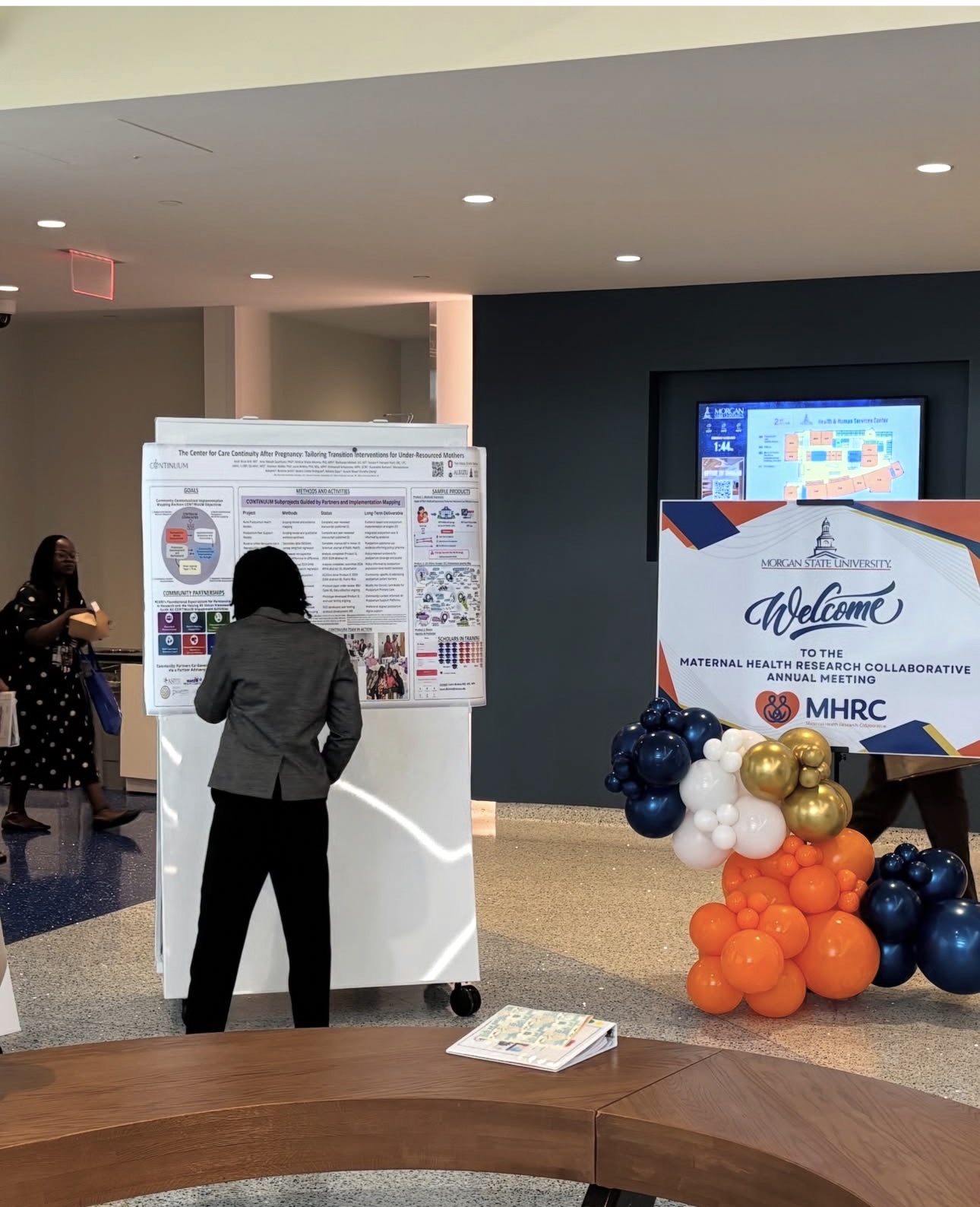
Attendees observe poster presentations from each of the 16 funded research centers of the Maternal Health Research Collaborative (MHRC) during its Annual Meeting held June 09-12, 2026.